
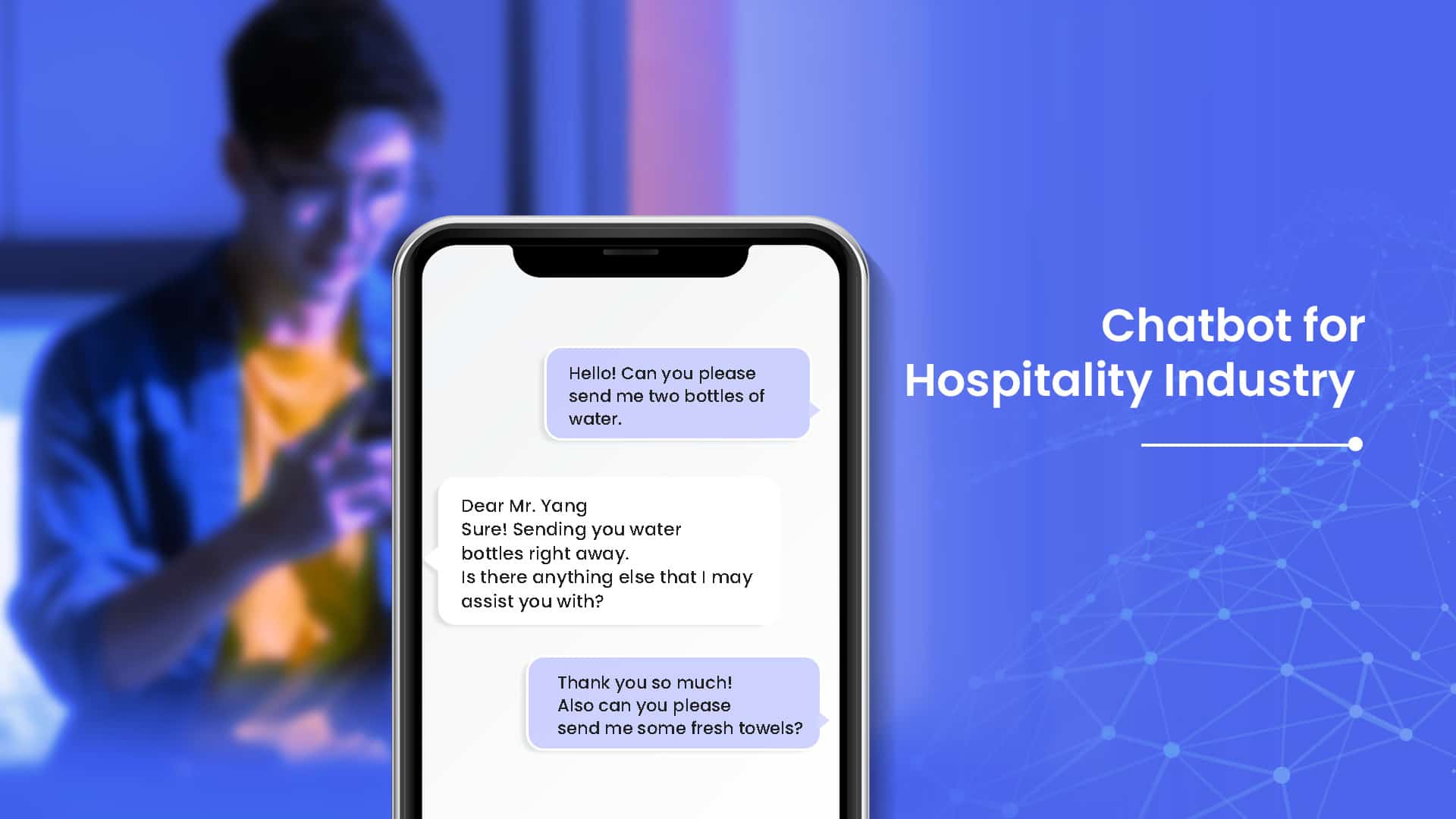
Hospitality industry analysts are sounding a fresh alarm over the legal risks hotels are taking on as they deploy AI-powered guest service chatbots, warning that properties could be held liable when these systems give guests inaccurate or harmful information.
The warning lands at a moment when hotel groups are racing to embed AI across nearly every guest-facing touchpoint — from pre-arrival messaging to in-stay concierge services. But as adoption accelerates, the legal infrastructure governing who is responsible when a chatbot gets something wrong has not kept pace, according to recent hospitality industry commentary.
Pricing Power Has Already Shifted
The liability concerns arrive alongside a related structural shift: hotels have effectively ceded real-time pricing authority to autonomous revenue management systems. Automated pricing engines are now setting rates dynamically and continuously, often faster and more granularly than human revenue managers can track or override.
Industry commentators argue this is changing the core skillset required in hotel revenue management. Rather than making pricing decisions directly, revenue managers are increasingly being asked to interpret, trace, and defend rates set by systems whose full decision logic spans more data and channels than any single person — or even any single system — can fully see at once.
A Governance Gap
Together, the two trends point to a broader governance gap opening up in hospitality technology: hotels are deploying increasingly autonomous AI systems for both guest interaction and pricing, while accountability frameworks, staff training, and legal protections lag behind. For an industry that has historically treated technology vendors and their software as tools rather than decision-makers, the shift raises uncomfortable questions about where responsibility sits when an algorithm — not a person — makes the call.
What Hoteliers Are Being Told to Do
Recommendations emerging from the discussion include auditing chatbot training data and response logic for accuracy, maintaining human oversight checkpoints for pricing decisions, and reviewing vendor contracts to clarify liability allocation before, rather than after, an AI-driven failure causes guest harm or financial loss.