
Discover expert Naran Kaghan travel tips, the best routes to Naran Kaghan for 2026, and hidden gems in this definitive guide to northern Pakistan’s summer destinations.
There is a specific, crystalline quality to the morning air in the Naran-Kaghan Valley—a sharpness that wakes you long before the sun crests the jagged peaks of the Himalayas. Standing beside the Kunhar River, watching its glacial waters thrash over polished riverstones, you realize that postcards and glossy brochures perform a subtle disservice to this region. They capture the emerald hue of the water, yes, but they entirely miss the roar, the alpine scent of pine, and the sheer, humbling scale of the geology.
As Pakistan’s northern frontier undergoes a profound travel renaissance, drawing everyone from intrepid backpackers to luxury-seeking families, the Kaghan Valley remains the glittering centerpiece of Khyber Pakhtunkhwa. But accessing its deepest magic in 2026 requires more than just plugging a destination into GPS. It demands a traveler’s intuition, a respect for high-altitude ecosystems, and up-to-date knowledge of evolving infrastructure. If you are planning to immerse yourself in one of the most stunning northern Pakistan summer destinations, consider this your essential, unfiltered briefing. From deciphering the best routes to Naran Kaghan to the art of sustainable travel, here are the insights you need before you pack your bags.
The Allure of the North: Naran-Kaghan in 2026
To understand the valley today is to recognize it as a landscape in transition. Decades ago, reaching Naran was a grueling rite of passage. Today, thanks to extensive road networks like the Hazara Motorway, the valley has been thrust into the modern travel era. Yet, despite the influx of modern amenities and espresso machines echoing in the bazaars, the raw, untamed wilderness of the valley remains fiercely intact.
Recent reports from the Tourism Climate Alliance Pakistan (TCAP), convened in April 2026, underscore a crucial narrative: the region is delicately balanced. As tourism surges, stakeholders are actively repositioning the valley as a hub for eco-conscious exploration. This means the 2026 traveler is not just a passive observer but an active participant in preserving the fragile Himalayan ecology. The glaciers of Malika Parbat (Queen of the Mountains) still watch over the valley, but they demand our respect. The allure here isn’t just in seeing the sights; it is in navigating a space where the ancient rhythms of nature meet the modern footprint of travel.

Decoding the Seasons: The Best Time to Visit Naran Kaghan
Nature dictates the itinerary in these mountains. The question of the best time to visit Naran Kaghan is entirely dependent on what you wish to endure and what you wish to see.
- The Prime Window (Late May to September): This is the golden era. The Mansehra-Naran-Jalkhad (MNJ) road typically shakes off its winter slumber by mid-April or May, allowing access to the main towns. By June, the alpine meadows explode into a riot of wildflowers. This is the peak season for Naran Kaghan family travel, offering mild days (15°C to 20°C) and brisk, sweater-weather nights.
- The Monsoon Caveat (July to August): While the valley remains lush, the monsoon brings dramatic, sweeping rains that can temporarily halt travel. Landslides are a natural reality of the geography. If you travel during these months, buffer your itinerary with an extra day or two.
- The Shoulder Seasons (October): For the romantic traveler, October offers a melancholic beauty. The crowds dissipate, the air turns biting, and the foliage shifts to amber and gold. However, by late October, snow begins to blockade the higher passes, and the valley prepares for its long, isolated winter hibernation.
The Anatomy of the Journey: Best Routes to Naran Kaghan
The days of bone-rattling, suspension-destroying drives from the capital are largely behind us. The Islamabad to Naran route has been fundamentally transformed, yet it still requires strategic planning.
1. The Express Corridor: Islamabad via Hazara Motorway (M15)
This is unequivocally the superior artery for reaching the valley.
- The Route: You merge onto the M1 (Islamabad-Peshawar Motorway), transition smoothly onto the M15 (Hazara Motorway), and exit near Mansehra. From there, you join National Highway 15 (N15), following the Kunhar River through Balakot, Kaghan, and finally into Naran.
- Distance & Time: Approximately 283 kilometers. What once took 8 to 9 hours can now be comfortably achieved in 5 to 6 hours.
- The Verdict: Fast, stunningly scenic, and heavily engineered for safety. The M15 cuts through the mountains with sweeping viaducts that offer cinematic views of the valleys below.
2. The Traditionalist’s Path: Lahore to Naran via Motorways
For those beginning in Punjab’s cultural capital, the journey is longer but entirely manageable in a single day.
- The Route: Take the M2 from Lahore to Islamabad, bypass the city, and link directly to the M1/M15 corridor.
- Distance & Time: Roughly 660 kilometers, clocking in at 9 to 10 hours of driving time.
- Pro Tip: Depart Lahore before dawn. Witnessing the sunrise over the Salt Range on the M2, followed by a late lunch of fresh river trout in Balakot, makes the marathon drive feel like a curated experience rather than a chore.

The Core: Top 10 Expert Tips for Navigating Naran-Kaghan
To transcend the typical tourist experience, you must approach the valley with the mindset of a seasoned explorer. Here are the definitive Naran Kaghan travel tips for 2026.
1. Master the Altitude Progression
Travelers often underestimate the verticality of the region. Naran sits at roughly 7,900 feet (2,409 meters). If you speed up from sea level too quickly, the thin air will make itself known via crushing headaches or nausea.
- Pacing: Spend your first night in Kaghan or Naran merely existing. Drink copious amounts of water, eat lightly, and allow your red blood cells to adjust before pushing higher to alpine lakes.
2. Saif ul Malook Lake Tips: Embrace the Dawn (and the Jeep)
Lake Saif ul Malook (10,200 ft) is the crown jewel, but by 11:00 AM, it can feel like a crowded amusement park.
- The Strategy: Hire your 4×4 jeep the night before. Depart from Naran at 6:00 AM. The rugged, spine-tingling 8-kilometer jeep track is a rite of passage. Arriving as the first light hits the sheer face of Malika Parbat, reflecting perfectly in the still, undisturbed waters, is a near-religious experience. By the time the crowds arrive, you will be sipping hot chai on your way down.
3. The Babusar Top Drive Demands Reverence
At a staggering 13,690 feet, the Babusar Pass connects Khyber Pakhtunkhwa to Gilgit-Baltistan. It is one of the highest paved roads on earth.
- 2026 Update: As per recent updates, the pass typically remains closed due to heavy snow until late May or June. Always verify its status before attempting the ascent.
- The Drive: Ensure your vehicle has excellent brakes and a capable engine. The descent is steep and punishing on brake pads; rely on engine braking (using lower gears). Night travel is strictly prohibited and dangerously foolish.
4. Escaping the Echo Chamber: Seek the Lesser-Knowns
Naran town is the logistical hub, but it is not the soul of the valley. To find the silence you seek, look to the peripheries.
- Batakundi: Just 16 km beyond Naran, Batakundi offers superior serenity, lush landscapes, and uninterrupted views without the neon signs.
- Shogran & Siri Paye: A detour before Kaghan takes you up a hair-raising road to Shogran. The real magic lies further up at Siri Paye meadows, accessible by jeep or a demanding hike, where wild horses roam amidst mist-shrouded pines.
5. Pack for Micro-Climates
The valley does not have a single climate; it has dozens of micro-climates stacked vertically.
- The Layering Rule: You might sweat through a t-shirt in Balakot, need a fleece in Naran by evening, and require a heavy windbreaker and thermal base layers at Babusar Top. Pack modular clothing. A high-quality waterproof shell is non-negotiable, even in summer.
6. Cash is King, Connectivity is a Mirage
Do not rely on the digital economy in the high Himalayas.
- Currency: While large hotels in Naran accept cards, the vast network of roadside dhabas, jeep drivers, and small vendors operate strictly on cash. Withdraw sufficient funds in Islamabad, Mansehra, or Balakot. ATMs in Naran exist but are frequently out of service or drained of cash during peak weekends.
- Telecom: SCOM networks often work best in northern regions, but prepare for extended periods of absolute digital silence. View this not as an inconvenience, but as a luxury.
7. Navigate the Gastronomy: Trout and Tradition
Food in the mountains is fuel, but it can also be a revelation.
- The Catch: The Kunhar River teems with brown and rainbow trout. Demand it grilled, lightly seasoned with salt, black pepper, and lemon. Avoid heavily battered variations that mask the delicate flavor.
- Local Staples: Embrace authentic Pashtun and regional fare—robust chapli kebabs in Mansehra, and warming bowls of chicken karahi at roadside stops.
8. Practice Aggressively Sustainable Tourism
The environmental cost of over-tourism is a looming shadow. The 2026 TCAP meetings highlighted the degrading beauty of pristine spots due to littering.
- Leave No Trace: Carry a reusable water bottle. Under no circumstances should you purchase single-use plastic bottles and leave them in the mountains. Pack out all your trash. If a vendor offers you a plastic bag, politely decline. The beauty of these mountains is on loan to us; act accordingly.
9. Naran Kaghan Family Travel: The Art of the Pivot
Traveling with children or elderly relatives requires strategic flexibility.
- Safety & Comfort: The twisty roads can induce severe motion sickness. Pack anti-nausea medication. Keep itineraries loose. If a landslide delays traffic, view it as a chance to buy roasted corn from a vendor and chat with locals rather than a ruined schedule.
10. The Golden Rule: Surrender to the Journey
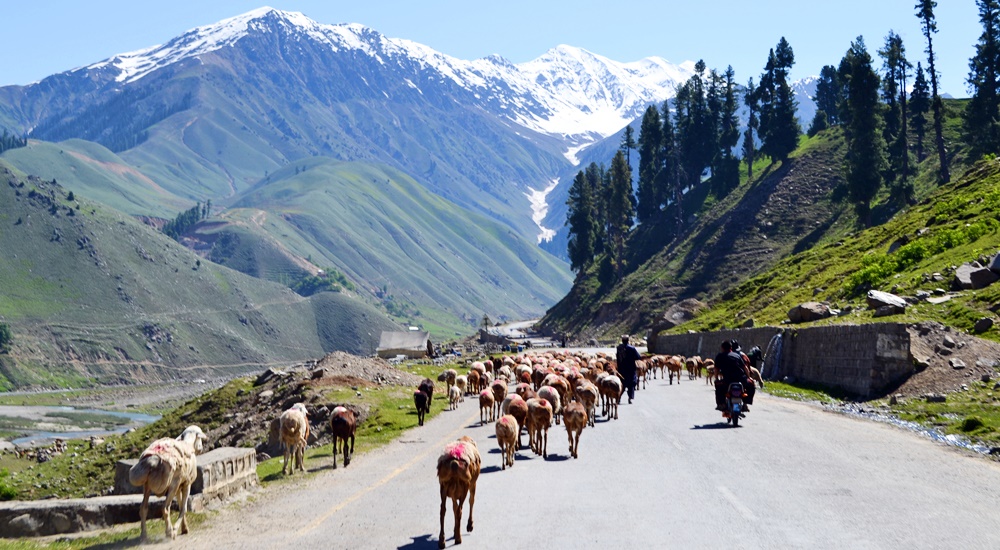
The most profound moments in the Kaghan Valley are rarely the ones you scheduled. It’s the impromptu stop near Lulusar Lake where the water is so blue it defies physics. It’s the conversation with a Gujjar shepherd navigating his flock across the highway. Build slack into your itinerary. The mountains do not respect your itinerary; you must respect their rhythm.
Practicalities: Accommodations, Getting Around, and Sustainability
Finding Sanctuary: Where to Stay
The accommodation spectrum in 2026 is broader than ever. You will find everything from rudimentary guesthouses to luxury boutique hotels attempting Alpine aesthetics.
- Pre-booking is Mandatory: During July and August, arriving without a reservation is a gamble that usually ends in an overpriced, underwhelming room.
- Eco-Pods: The Khyber-Pakhtunkhwa Tourism and Culture Authority has established camping pods in areas like Sharan (near Saif ul Malook) offering affordable, immersive, and low-impact accommodations.
Transportation Dynamics
If you are not driving your own vehicle, private rentals with local drivers from Islamabad are highly recommended. They know the temperament of the roads and the unspoken etiquette of mountain driving. Within the valley, standard sedans can reach Naran, but anything beyond—including the tracks to Lalazar or Saif ul Malook—requires a robust 4×4 jeep, readily available for hire in the main bazaars.
Conclusion: The Future of the High Frontier
To travel to the Naran-Kaghan Valley in 2026 is to witness a profound dialogue between ancient geology and modern ambition. As new roads cut through old rock, the accessibility of this wonder brings both unprecedented joy and immense responsibility. We are no longer just exploring Pakistan’s north; we are participating in its survival.
When you finally stand at Babusar Top, the wind biting your face, looking down at a valley that seems to swallow the horizon, you will understand why travelers return here, year after year. It is not just the scenery that brings them back; it is the perspective. Go with an open heart, a light footprint, and a willingness to be humbled by the sheer scale of the earth.