
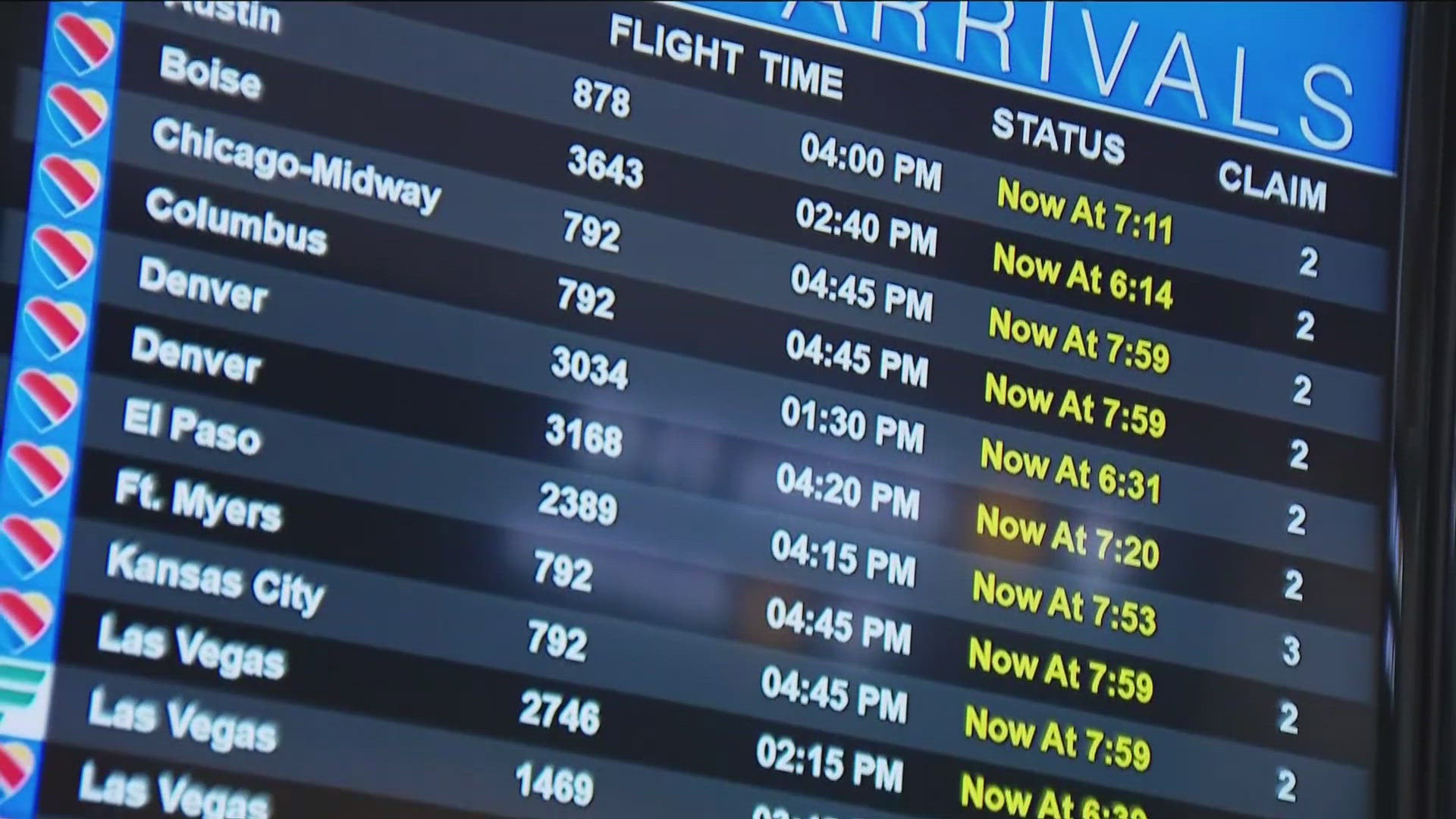
U.S. Department of Transportation regulations distinguish qualifying refunds after cancellation or significant change from airline discretionary compensation for ordinary delays. The publication date and observation time are crucial: market prices, competition results and government announcements cannot be extrapolated from an earlier snapshot. A more useful reader question is what remains current today and what requires verification at the moment of a financial or travel decision. The new development should be checked against the primary or contemporary reference rather than assumed from an older headline.
What is happening and why readers are searching
A delayed flight can create two different questions: can the traveler receive a refund, and must the airline pay extra compensation for inconvenience? Under the U.S. Department of Transportation’s guidance, passengers generally qualify for a refund after an airline cancellation or significant delay or change when they choose not to travel and do not accept alternatives. That does not mean every two-hour delay triggers automatic cash compensation. Sources: U.S. Department of Transportation and Federal Trade Commission.
U.S. Department of Transportation regulations distinguish qualifying refunds after cancellation or significant change from airline discretionary compensation for ordinary delays. Source. Historical material further below is contextual and must not be mistaken for a live quotation or price.
The important context competitors can overlook
The rule applies to covered flights to, from or within the United States, and key details depend on the disruption and the traveler’s choice. A passenger who accepts and takes a replacement flight generally cannot also demand the original ticket price back merely because the original flight changed. Hotel or meal assistance may instead depend on carrier commitments and circumstances. For primary-source checks and current reporting, see U.S. Department of Transportation and Expedia Air Hacks report. The key distinction is distinguish cash refund rights from compensation for inconvenience.
A practical way to use this information
Save the booking confirmation, screenshots of the original and revised itinerary, the airline’s stated reason and all written offers. Decide whether you want the earliest replacement seat or a refund before accepting credits. Check who is the merchant of record if booked through an agent. DOT identifies the relevant refund process and timing, making its official guidance more reliable than an anonymous social-media checklist.
What to verify before making a decision
The right next step is to identify the source, timestamp and applicable market or jurisdiction. Check whether a number is a historical observation, official announcement, target, forecast or scenario. If you intend to act financially, legally or commercially, use the relevant provider’s current terms and obtain professional advice where appropriate. The sources cited here establish context; they are not a substitute for live prices, individual eligibility checks or binding agreements.
Reader questions
Do airlines owe cash whenever a flight is delayed? No. The refund right depends on the nature of the disruption and whether the passenger chooses to travel.
Can I get a refund after accepting a rebooked flight? Ordinarily not under DOT rules once you use the changed or replacement flight.
Refund eligibility starts with the passenger’s choice
Under U.S. Department of Transportation guidance, when a covered airline cancels a flight or makes a significant change and the passenger decides not to travel or accept an alternative, a refund may be required. The critical detail is whether the customer took the changed flight, accepted a rebooking, or instead declined the alternative transportation and compensation. A cancellation can create a refund entitlement even when the original ticket was labeled nonrefundable. That does not mean a passenger can fly the replacement itinerary and automatically recover the full ticket price afterward.
Refund rights are distinct from compensation for inconvenience. A person may experience missed appointments, hotel costs or emotional stress during a disruption. The U.S. system does not automatically create the same standardized cash compensation for every delay that certain other jurisdictions may provide in defined circumstances. Meal vouchers, hotel accommodation and ground transportation may depend on an airline’s customer-service commitments, policies and the cause of disruption. For the latest rules, use DOT’s refunds page.
Significant changes and timing: read the official definitions
The DOT rules provide definitions of changes that may be significant, including thresholds for flight departure or arrival time and other itinerary conditions. A traveler’s case can depend on whether the itinerary is domestic or international, whether the airport changed, or whether a connection was added or disrupted. Check the regulation and the airline’s notification rather than accepting a social-media claim that an arbitrary number of minutes always qualifies. Keep the original itinerary: without it, demonstrating the size of the change can be harder.
The DOT says qualifying automatic refunds for tickets purchased directly from an airline generally must be issued within seven business days for credit-card purchases or twenty business days for cash purchases after the relevant conditions are met. Processing through a travel agency can involve a different responsible merchant and workflow. “Refund processed” and “funds visible in my account” can also be separate moments. Save the correspondence and transaction records so any complaint can be supported by dates.
A four-step disruption response at the airport
First, photograph or save the delay notification showing flight number and planned versus revised departure. Second, use the airline app and service desk to understand the available alternatives and their timing. Third, decide whether reaching the destination remains the priority or whether the revised journey no longer serves its purpose. Fourth, if declining travel and requesting a refund, communicate that choice clearly and retain the confirmation. Avoid accepting a voucher inadvertently if you prefer a refund and believe you are entitled to one.
Travelers who booked multiple separate tickets should examine each contract separately. A missed independently booked connection may not have the same protections as a through-ticket. The airline that caused the disruption may not be responsible for every unrelated hotel or event purchase. Travel insurance and credit-card coverage may have separate benefits and exclusions. Always document expenses, but do not promise reimbursement that a policy has not established.
When your itinerary involves another country
A journey departing Europe or operated by certain carriers may implicate different passenger-protection rules from a purely U.S. domestic itinerary. Rights depend on route, operator, jurisdiction and the facts behind a delay. Do not blend compensation figures from European regulations into a U.S. DOT guide without stating which flights qualify. Similarly, passengers whose travel never touches the United States should not assume American aviation rules govern their booking. The correct first step is determining the applicable legal framework.
Airline policies may be more generous than the legal minimum. Check the carrier’s written customer-service plan, conditions of carriage and published commitments for controllable cancellations or long delays. A weather-related disruption can lead to different support from a maintenance-related cancellation. The cause is relevant, but do not accept an unexplained verbal attribution as final evidence if you need to submit a formal complaint.
Documents to keep and how to escalate
Keep a booking reference, proof of payment, original flight details, every schedule-change notice, screenshots of offers, receipts for necessary spending and the airline’s written final response. If the refund is overdue, contact the airline or responsible agent through a verified channel and cite the exact booking and transaction. If unresolved, consider a complaint through the DOT aviation consumer protection portal. Payment-card dispute rights are a separate matter with their own deadlines.
A strong refund guide gives readers realistic choices: travel, rebook or decline alternatives and claim any applicable refund. It avoids the opposite myths that airlines must pay cash for every inconvenience or that a nonrefundable ticket is never refundable after an airline cancellation.
Three refund situations that are easily confused
The airline cancels, and you do not travel. This is the clearest example where covered U.S. refund rights may apply, subject to the current rules and facts. Ask for the refund to the applicable original payment method and retain the record of declining alternatives. Do not assume that a voucher offered by the airline is the only remedy available.
The airline delays your trip, but you take the replacement flight. Completing the replacement transportation generally changes the analysis. A delay may still be frustrating and costly; however, using the service is different from declining transportation altogether. Check airline commitments or travel-insurance benefits for any additional expenses, and avoid demanding a full fare refund solely because the trip arrived later than expected.
You cancel voluntarily before the airline makes a significant change. The ticket’s original conditions can govern your cancellation. A passenger’s personal change of plans is not automatically equivalent to an airline cancellation. Certain booking protections or applicable cancellation windows may still matter, so review the actual fare and law that applies. Timing and documentation can change the available options.